

 Facebook
 X
X
 Pinterest
 Copy Link
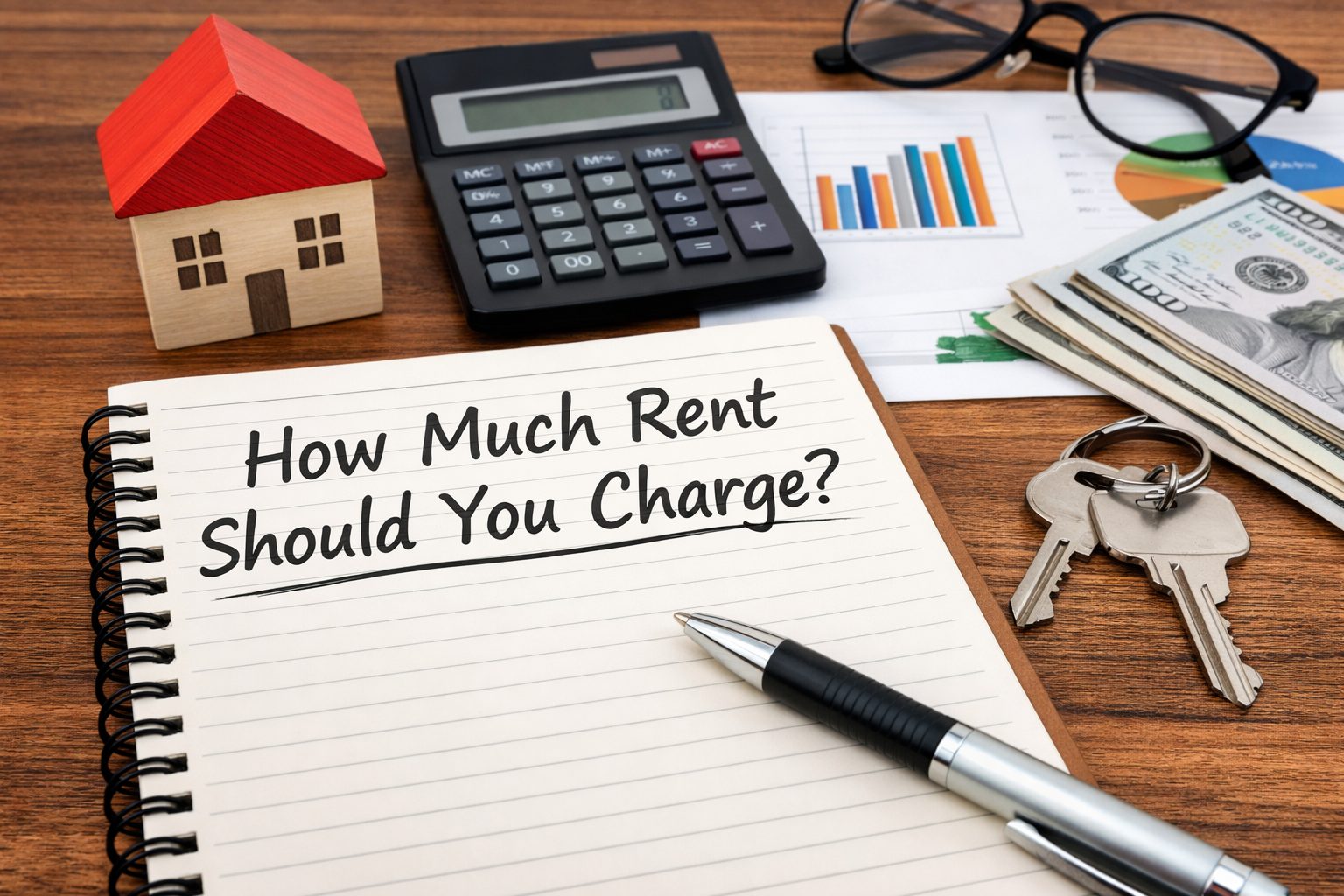 How much rent should you charge is one of the most important questions every landlord must answer before listing a rental property. Setting the wrong price can lead to long vacancies or lost income, while the right price helps attract quality tenants and maintain steady cash flow.
The first step in determining how much rent you should charge is researching comparable rental properties in your area. Look for listings with similar size, location, number of bedrooms, and amenities. Pay attention to how long properties stay listed, as this often indicates whether they are overpriced. According to Investopedia, local market demand plays a major role in rental pricing decisions.
Next, calculate your total monthly expenses. These include mortgage payments, property taxes, insurance, maintenance, repairs, and a vacancy buffer. Rent should cover all expenses while leaving room for profit. However, charging the highest possible rent does not always lead to higher returns if it increases vacancy time.
Property condition also impacts rental value. Well-maintained units with updated kitchens, bathrooms, or energy-efficient features can justify higher rent. If your property needs repairs or updates, competitive pricing may help attract tenants faster. Our guide on maintenance tips that save landlords money explains how small upgrades can increase rental appeal.
Tenant quality should also be considered when deciding how much rent you should charge. Slightly lower rent often attracts long-term tenants who pay on time and take better care of the property. High tenant turnover increases cleaning, advertising, and repair costs.
Finally, review your rental price regularly. Markets change, and annual rent evaluations help ensure your pricing stays competitive. NerdWallet recommends adjusting rent based on inflation, expenses, and local market trends rather than using guesswork.
In conclusion, understanding how much rent you should charge requires balancing market data, expenses, and tenant demand. A well-priced rental leads to lower vacancies, stable income, and long-term success.


